

The Pros and Cons of Dynamic Pricing
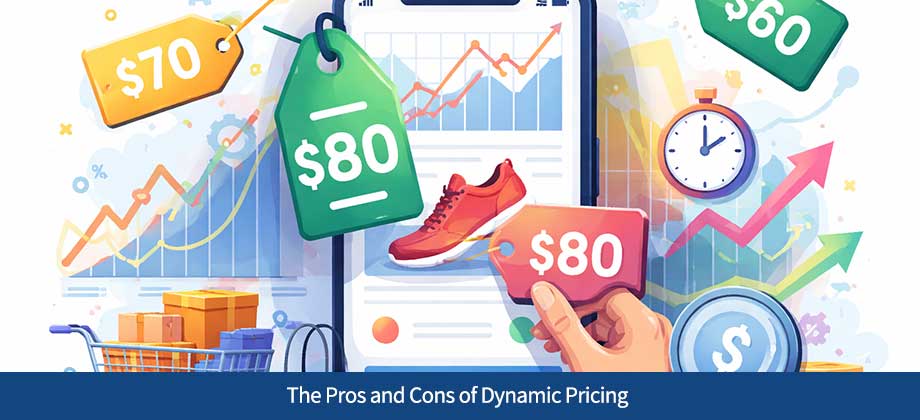
If you’ve ever noticed airline ticket prices change from one day to the next, or hotel rates fluctuate depending on demand, you’ve seen dynamic pricing in action. And lately we’ve been seeing it in the headlines, as Consumer Reports recently investigatedInstacart’s dynamic pricing strategy, which relies on “AI-enabled experiments that price identical products differently from one customer to the next.” Dynamic pricing is a strategy where businesses adjust prices in real time (or near real time) based on factors like demand, seasonality, competition, inventory levels, or customer behavior. Investopedia’s overview of dynamic pricingexplains it as pricing that “changes in response to market conditions rather than remaining fixed.”
While dynamic pricing is often associated with large companies like airlines, ride-sharing apps, and ecommerce giants, it’s becoming increasingly accessible to small businesses thanks to modern software, data tools, and point-of-sale systems. Let’s talk through the pros and cons of dynamic pricing, with a focus on how it can impact your small business.
How Dynamic Pricing Works in Practice
Dynamic pricing relies on data. Businesses analyze inputs like sales trends, customer traffic, time of day, inventory availability, or competitor prices, then adjust prices accordingly. According to Harvard Business Review, advances in analytics and automation have made dynamic pricing more feasible for companies of all sizes, not just enterprises with massive data teams. For small businesses, this might look like raising prices during peak demand (busy seasons, weekends, events); offering lower prices during slow periods to boost sales; adjusting prices when inventory is running low or overstocked; and matching or responding to competitor pricing in real time.
The Pros of Dynamic Pricing for Small Businesses
- Higher Revenue Potential
One of the biggest advantages of dynamic pricing is its ability to maximize revenue. McKinsey & Company reports that effective dynamic pricing strategies can increase revenues by 2–5 percent and margins by up to 10 percent, all without increasing sales volume. For small businesses operating on tight margins, even modest gains can make a meaningful difference.
- Better Demand Management
Dynamic pricing allows businesses to smooth out demand. Lower prices during slow periods can attract customers, while higher prices during peak times help manage capacity and prevent shortages. This can be especially useful for service-based businesses like salons, restaurants, or event venues.
- Competitive Flexibility
By responding quickly to market changes, small businesses can stay competitive without constantly running blanket discounts. As Forbes notes, dynamic pricing can help businesses stay agile in competitive markets where customer expectations and costs change rapidly.
The Cons (and Risks) of Dynamic Pricing
- Customer Trust and Perception
One of the biggest downsides is the potential for customer backlash. If customers feel prices are unpredictable or unfair, trust can erode—fast (remember the Instacart investigation we mentioned earlier?). Poorly communicated dynamic pricing can make customers feel “penalized” for buying at the wrong time.
- Operational Complexity
Dynamic pricing requires accurate data, consistent monitoring, and the right tools. For very small teams, managing pricing changes manually can become time-consuming or error-prone, especially without automated systems.
- Legal and Ethical Considerations
While dynamic pricing is legal in most cases, it must be applied carefully. Investopedia points out that price discrimination based on protected characteristics is illegal, and even legal pricing differences can attract scrutiny if they appear exploitative.
Is Dynamic Pricing a Good Fit for Your Business?
Dynamic pricing tends to work best for businesses with fluctuating demand, limited inventory or capacity, clear data on customer behavior, or digital or point-of-sale systems that support pricing adjustments. For others, a hybrid approach (think combining fixed pricing with occasional, data-driven adjustments) may be more practical and less risky.
Whether you’re experimenting with dynamic pricing, upgrading technology, or simply managing cash flow during seasonal swings, access to flexible financing can make all the difference. Here at ARF Financial, we’re ready to help small business owners secure the funding they need to invest confidently, adapt to changing markets, and position their businesses for long-term success.Visit us today and see if we’re the right financial partner for you!
Your privacy is important to us. ARF Financial will never sell or rent your information to any third party. Click here for more information about our privacy policy.